
About This Game
0
Login to like
0
Login to like

What is The Pope's Underground? The Pope's Underground is a browser game where you escape dangerous situations. It plays instantly in your browser with no downloads required and offers engaging gameplay.
You are a newly elected pope on the eve of the Second World War, and you must save the Catholic Church from the threats of Communism and Fascism. Maintaining the Vatican's independence is also a top concern. Finally, you must help as many refugees as possible escape war and persecution. A difficult mission? Yes! Can the Holy See draw upon the resources of a global church, the bravery of ordinary priests and nuns, and the experience of an organization that has dealt with these kinds of things for two thousand years? Absolutely!
A few notes on the game design:
This game covers early 1939 to the late 1940s, a time period in which both Hitler and Stalin took turns ruling Central Europe. Neither autocrat was a fan of the Catholic Church. However, Communism and Nazism both failed to destroy or co-opt the Church. The Church was able to exploit its independence to undermine these hostile regimes in subtle but important ways. This game simulates this struggle to maintain independence from monstrous regimes.
Key game elements:
1) With Great Concern cards. These cards can block your opponent’s next card, but you only get two of them at the beginning of the game. Do not discard them! They are quite valuable. These cards refer to the sermon that Catholic priests delivered across Germany on the same day in 1937 to protest Nazi policies. This took a lot of clandestine coordination.
2) Intelligence points: If you have 5 or more intelligence points, you can see the next card your opponent will play. Just click on the yellow box. If this point total drops below 5, you lose the ability to see what your opponent will do next. This game feature represents the Catholic Church’s ability to gather intelligence from across occupied Europe. Since the Church was neutral, the Holy See had embassies that could gather intelligence in Axis-occupied countries.
3) 20 July Plot card: It turns out that the Vatican was involved in several plots to kill Hitler. This card simulates a successful assassination attempt or coup that would get rid of the Nazis. The actual July 20th coup plotters were not huge fans of democracy, and probably would have continued the war with the Soviet Union. However, many of the plotters were devout Catholics, and hoped to work with the Vatican to negotiate a cease-fire with the Western allies. You get lots of victory points when you pull off a successful regime change because any new regime would be better for the Church in Germany.
4) Support points and supply lines: Regions with six or more support points are out of supply for your opponent. This means that your opponent cannot capture regions adjacent to the out-of-supply region. This represents a society that is fully mobilized to resist occupation, fascist, communist, or otherwise. A good example of this would be Yugoslavia, Austria, or Finland after the Second World War. The Soviets could have occupied all of these countries but decided to settle for neutrality instead.
Think of a support level of six or higher as a society with lots of vibrant Catholic institutions: schools, newspapers, political parties, trade unions, hospitals, and charities. This is effectively a state within a state. A secret police force cannot effectively shut it down; the regime would face international condemnation if it tried to suppress the Church, and Church-aligned institutions can threaten the regime. The Catholic Church in communist Poland is a good example of this kind of resistance: communist rule lasted barely four decades (a blink of an eye for the Vatican!) and was ultimately brought down with the help of the Catholic Church.
Reviews and Comments

Random Games
View All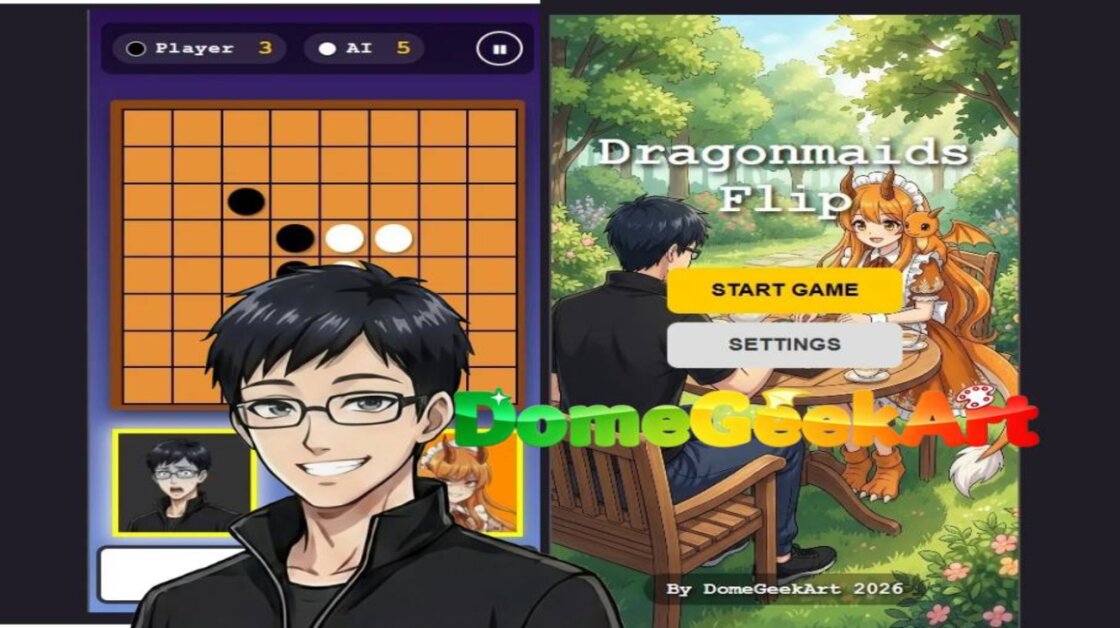
 Mobile
Dragonmaids Flip
Flip your way to victory! Challenge the cute Dragonmaids in this classic Reversi strategy game. 🐉✨...
3
56
 Mobile
Noiser Button
Noiser Button, is just a simple fun time killer, or stress reliver. I made this well I was bored!...
1
397
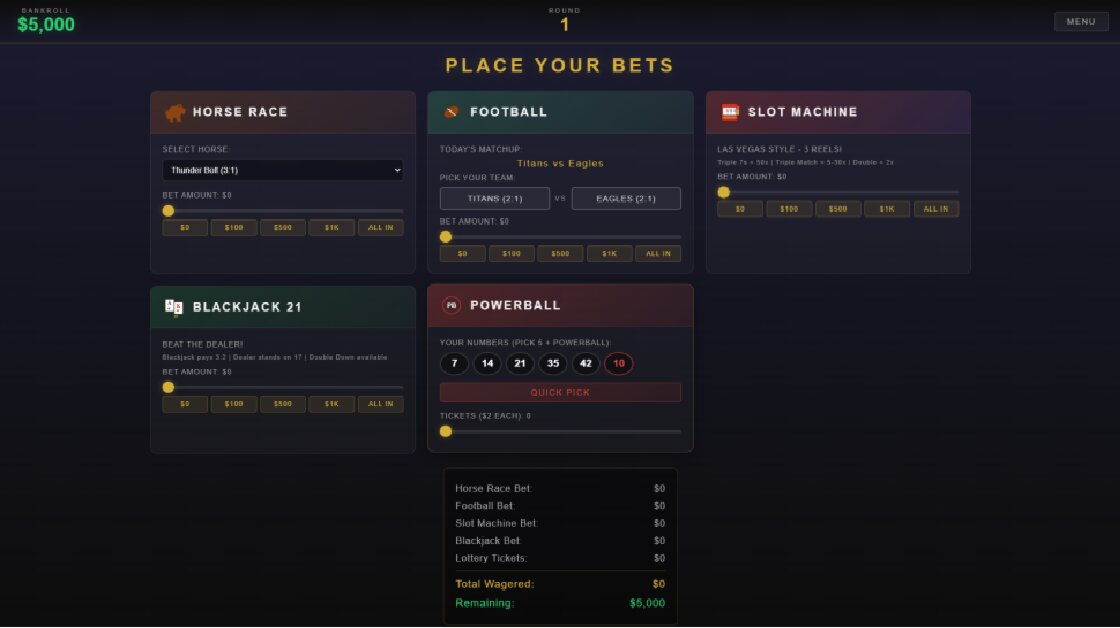

You Bet!
You Bet! is a high-quality, AAA-style betting game developed by happystoner5420 Games. Players start with $5,000!...
1
26

 Mobile
Sheep Hunter
Place your spaceship on specified tile which is locked. Collect all the sheep's to get the tile unlocked. Try less time to score maximum....
5
623
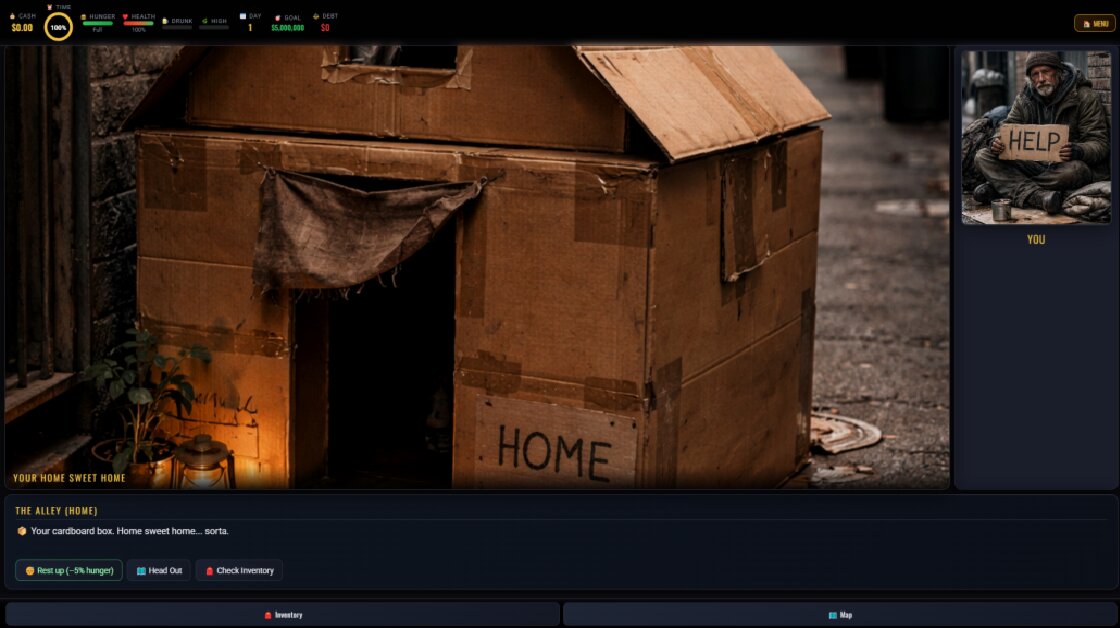

Homeless Panhandle For Money Simulator
⚠️ DISCLAIMER
This is a comedic parody game. Purely fictional. Don't try any of this at home. Or outside. Or anywhere....
1
259









·

Javascript is required to use this site.
Free games for your website WordPress Game Plugin
Publish Game iDev Token Game Database
RSS Feed RSS Feed (With Embed Code)
 Dev Coin Stats Game Stats Post Stats Member Stats Site Stats
Indie Games No Download
|
Games to Play at Work
|
Instant Play Games
|
Indie Games Platform
|
Hidden Indie Games
© 2026 iDev.Games. All rights reserved.
This site uses functional cookies for login and preferences. We also use Cloudflare (security) and PayPal (payments). By using this site, you consent to our use of cookies.
Learn more
Privacy Policy
|
Terms of Service
© 2026 iDev.Games. All rights reserved.